
Like Zak, my main character in Beyond December, I have “a tendency toward melancholy.” I have to consciously choose to see things from a brighter perspective. If I don’t choose well then, like a pig in its muck, it’s easy for me to wallow into despondency.
This last year, year and a half, during which both my mother and my older sister died of ovarian cancer and I underwent an 8-day hospital stay for an emergency appendectomy, there was a fair amount of wallowing. Along with good doses of whining, both to God and to my wife, the Saint.
In my writing, I more instinctively know how to balance the bad plot points with lighter moments that allow the reader to recover—to hope (sometimes falsely, but, hey, that’s my job). In my own life? Often not so easy.
Currently I’m reading through Dean Koontz’ Odd Thomas series again. It is impossibly rich writing for a writer who wants to refill his creativity tank. But in Brother Odd, the third book of the series, I came across this piece of advice that I sort of took personally.
Odd, in a moment of reflection and before he knows what’s going on or who he can trust, recalls advice his mentor gave him:
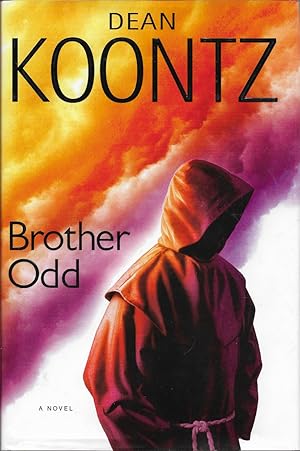
Ozzie Boone, a four-hundred-pound best-selling mystery writer who is my friend and mentor in Pico Mundo, insists that I keep the tone light in these biographical manuscripts.
He believes that pessimism is strictly for people who are overeducated and unimaginative. Ozzie counsels me that melancholy is a self-indulgent form of sorrow. By writing in an unrelievedly dark mode, he warns, the writer risks culturing darkness in his heart, becoming the very thing that he decries.
From Brother Odd, Chapter 34
“Unrelievedly dark”
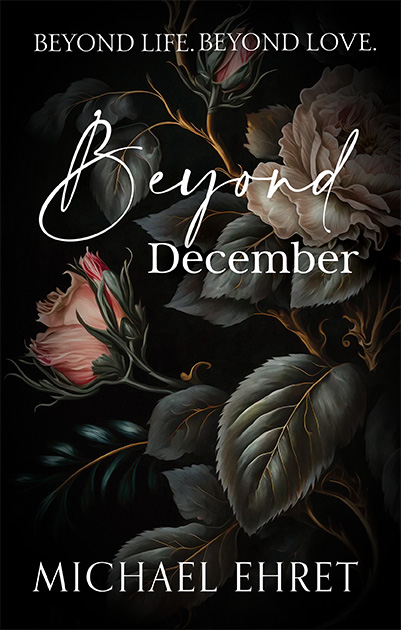
My novel, Beyond December, has a kind of dark premise. A newspaper editor, whom death has teased for decades, since his mother died early from cancer, faces a new reality when his wife dies, unexpectedly, in a car accident in December, just before Christmas.
It is not a Christmas novel.
But it does involve all sorts of fun things in addition to death: marital infidelity, divorce, suicidal thoughts, parental abandonment, the danger of gossip, lying, deception, bad work-life balance, and more.
It is not, however, “unrelievedly dark.” And it’s not for a lot of reasons, but mostly because I know within myself how easy it is, as Koontz suggests, to “culture darkness.”
When I became a Christian back in 1981, I wasn’t a bad boy. In fact, as the middle child, I was the pleaser. But I could, and often did, spend more time imagining what could go wrong in my life as opposed to looking forward to what would go right. Since 1981, God has spent a lot of time rounding off my sharp corners. He still has work to do (as do I).
In 1995, my favorite male singer, Russ Taff, recorded a song he and his wife Tori wrote called “Bein’ Happy.” When I first heard it, it was a revelation of sorts. I’m sort of like this song. (Watch and listen below.)
Well I’ve been told that I have a tendency
To look at things on the dark side
That glass has always been half empty to me
But since You’ve been around
It’s gettin’ harder for me to keep my spirits down
This wakin’ up with a smile is sure new to me!
So, knowing this about myself, and having Dean Koontz remind me, I tried hard in Beyond December to keep a certain lightness in the tale wherever and whenever I could:
- There are tender love scenes.
- There is a fair amount of humor, mostly through my “heart” characters, Maydene and Abe Gunderson, Zak’s default parents, and Mick Sharp, Zak’s best friend and brother-in-law.
- And there’s hope—and loads of it! Hope for Zak, of course, but also hope for restoration and personal growth in all of the lives around him.
Beyond December in Kindle and print formats is now available for preorder from Amazon. Use this link.

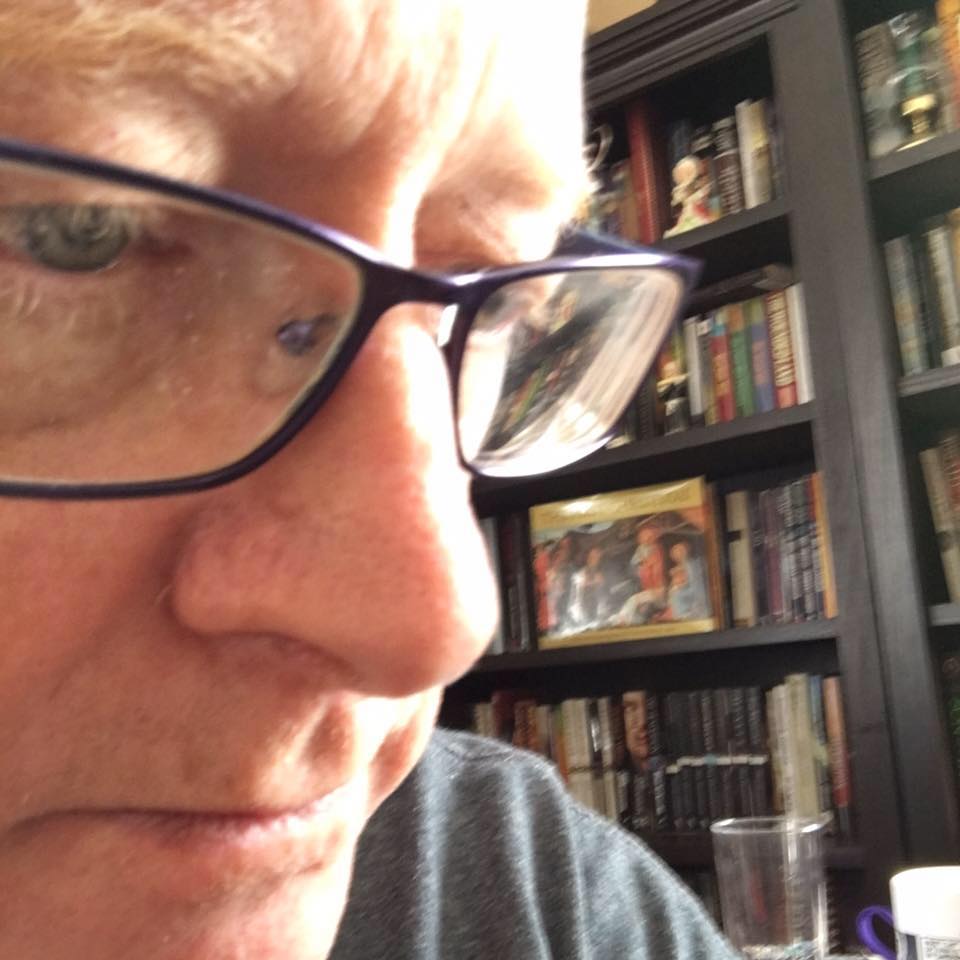
Michael Ehret loves to play with words. He is the author of the novella “Big Love.” Soon, he will publish the full-length novel, “Beyond December.” He is enjoying his current playground. Previous playgrounds include being the Managing Editor of the magazine ACFW Journal and the ezine Afictionado for seven years. He also plays with words as a freelance editor and has edited several nonfiction books, proofedited for Abingdon Press, worked in corporate communications, and reported for The Indianapolis Star.


What do you think?